
Fire retardant fabrics are an essential consideration for anyone furnishing their home or commercial space with curtains and drapes. Whether you're designing a living room, bedroom, or office, understanding the role of fire safety in fabric selection can help you make informed choices that protect your loved ones and comply with building regulations.
What Are Fire Retardant Fabrics?
Fire retardant fabrics are textiles that have been treated or engineered to resist ignition and slow the spread of flames. Unlike fireproof fabrics—which are virtually impossible to ignite—fire retardant materials are designed to meet specific safety standards by reducing flammability and limiting smoke and toxic gas emissions.
These fabrics undergo chemical treatments or are blended with inherently flame-resistant fibers to achieve their protective properties. The treatment process doesn't compromise the aesthetic appeal or tactile quality of the fabric, making it possible to enjoy both style and safety in your interior design.
Why Fire Retardant Fabrics Matter
Curtains and drapes are often positioned near windows, heating sources, and electrical outlets—areas where fire risk can be elevated. In the event of a fire, fire retardant fabrics can buy precious time for occupants to evacuate safely by slowing flame propagation and reducing the intensity of the fire.
Beyond residential use, fire retardant fabrics are mandatory in many commercial, hospitality, and institutional settings. Hotels, hospitals, offices, and public buildings are required by law to use fire retardant window treatments to meet building codes and safety regulations.
Types of Fire Retardant Treatments
Chemical Treatments: Many fabrics are treated with chemical flame retardants applied to the surface or throughout the fiber structure. These treatments can be refreshed or reapplied after cleaning, depending on the product specifications.
Inherent Fiber Blends: Some fabrics are made from fibers that are naturally flame resistant, such as modacrylic, aramid, or certain polyester blends. These fabrics maintain their fire retardant properties throughout their lifespan, even after repeated washing.
Combination Approaches: Premium fire retardant fabrics often combine treated fibers with chemical applications to maximize safety performance and durability.
Standards and Certifications
Fire retardant fabrics are tested against rigorous international standards to ensure they perform reliably. Common certifications include:
- BS 5867 (British Standard for flame-retardant fabrics)
- NFPA 701 (National Fire Protection Association standard used in North America)
- EN 13501-1 (European classification system for fire performance)
- California Title 24 and other regional building codes
When selecting fire retardant curtains, look for products that clearly state their certifications and compliance with relevant standards in your region.
Aesthetic and Practical Considerations
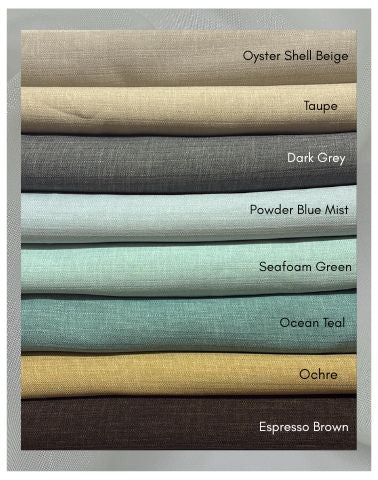
Modern fire retardant fabrics come in a wide range of colors, textures, and weaves. You don't have to sacrifice style for safety. From luxurious velvet drapes to lightweight linen blends, fire retardant options are available across multiple fabric categories, allowing you to maintain your desired interior aesthetic while meeting safety requirements.
Fire retardant fabrics are also available in various weights and opacities, from sheer voiles that filter light beautifully to heavy blackout curtains that provide privacy and thermal insulation. This versatility makes it easy to integrate fire safety into any room design.
Care and Maintenance
Proper care helps maintain the fire retardant properties of your fabrics. Always follow the manufacturer's care instructions, as some treatments may be affected by certain cleaning methods. Many fire retardant fabrics can be dry cleaned or gently hand washed, while others are best maintained with light vacuuming and spot cleaning.
If your fabric requires reapplication of fire retardant treatment after cleaning, your supplier can typically provide guidance on approved methods and products to use.
Making the Right Choice
When selecting fire retardant fabrics for your home or business, consider your specific needs: the room's purpose, local building codes, your design preferences, and your maintenance capabilities. Investing in quality fire retardant curtains is an investment in safety, compliance, and peace of mind.
Whether you're furnishing a new space or upgrading existing window treatments, fire retardant fabrics offer a responsible way to enhance your interior while protecting what matters most.
Share:
Water Repellent Fabrics
Curtain Fabrics: Essential Terminology and Style Guide