
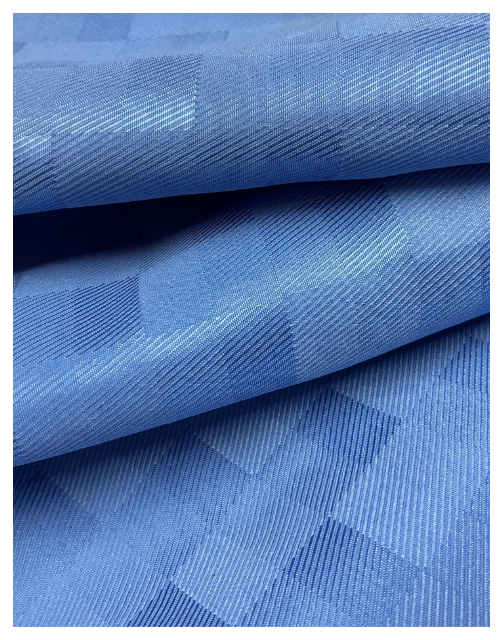
Water repellent fabrics have become essential in modern home décor, offering both practical benefits and aesthetic appeal. Whether you're furnishing a high-traffic living room or designing a weather-resistant outdoor space, understanding how these fabrics work can help you make informed choices for your home.
What Are Water Repellent Fabrics?
Water repellent fabrics are textiles treated with special coatings or finishes that cause water to bead up and roll off the surface rather than absorb into the material. This treatment creates a protective barrier while maintaining the fabric's natural look, feel, and breathability. Unlike waterproof fabrics, which are completely impermeable, water repellent options allow air circulation while resisting moisture—making them ideal for curtains, upholstery, and decorative textiles.
How Water Repellent Treatment Works
The science behind water repellency involves applying microscopic coatings to fabric fibers. These treatments work by altering the surface tension of the material, causing water droplets to form beads rather than spread across the weave. Common treatment methods include fluorocarbon-based finishes and silicone coatings, both of which create a hydrophobic layer that repels moisture while preserving the fabric's original texture and appearance.
Benefits for Your Home
Durability and Longevity: Water repellent fabrics resist staining from spills, moisture, and humidity, extending the life of your curtains and upholstered pieces. This makes them particularly valuable in kitchens, bathrooms, and humid climates.
Easy Maintenance: Spills can be quickly blotted away without leaving permanent marks. Regular vacuuming and occasional spot cleaning keep these fabrics looking fresh, reducing the need for professional dry cleaning.
Aesthetic Flexibility: Water repellent treatments are available across a wide range of colors, patterns, and textures. You don't have to compromise on style to gain practical protection.
Comfort and Breathability: Unlike fully waterproof materials, water repellent fabrics allow air to pass through, making them comfortable for year-round use in living spaces.
Ideal Applications
Water repellent fabrics excel in spaces prone to moisture and spills. Kitchen curtains benefit from their stain resistance, while bathroom window treatments gain protection from steam and humidity. Living room upholstery and throw pillows become more resilient to accidental spills from beverages or food. Outdoor curtains treated with water repellent finishes can withstand light rain and morning dew while maintaining their color and texture.
Care and Maintenance Tips
To preserve the water repellent properties of your fabrics, avoid harsh chemicals and excessive heat during cleaning. Blot spills immediately rather than rubbing, which can push moisture deeper into the weave. Gentle vacuuming with an upholstery attachment removes dust and debris without damaging the treatment. If your fabric requires washing, use cool water and mild detergent, and air dry whenever possible to maintain the protective coating.
Choosing the Right Water Repellent Fabric
When selecting water repellent textiles, consider the room's purpose, your color preferences, and the level of protection you need. Heavier fabrics with tighter weaves typically offer better water resistance, while lighter materials provide a more delicate aesthetic. Check product specifications to understand the type of treatment used and its expected durability, as some finishes may diminish over time with repeated washing.
Water repellent fabrics represent a smart investment in both the beauty and functionality of your home. By combining practical protection with design versatility, they allow you to create spaces that are both stunning and resilient to everyday challenges.
Share:
Made-up fabrics
Fire Retardant Fabrics