
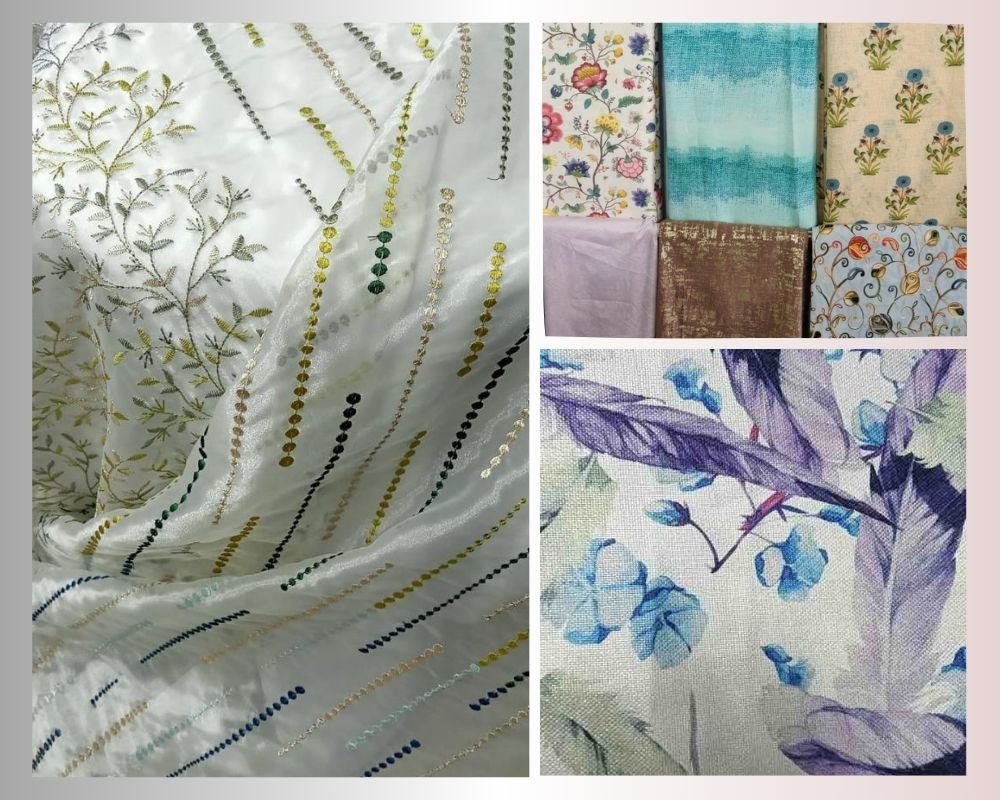
Embroidery is an ancient art form that transforms fabric into stunning visual masterpieces through the skillful use of needle and thread. One of the most fundamental aspects of embroidery is understanding the different types of stitches available. Each stitch has its own unique characteristics, applications, and visual effects, making it essential knowledge for both beginners and experienced embroiderers.
Running Stitch
The running stitch is the most basic and fundamental embroidery stitch. It involves passing the needle in and out of the fabric in a simple, straight line. This stitch is perfect for creating outlines, borders, and fine details. While it may seem simple, the running stitch forms the foundation for many other embroidery techniques and is often used in combination with more complex stitches to create layered designs.
Backstitch
The backstitch is one of the strongest and most durable stitches in embroidery. It creates a solid, continuous line and is ideal for outlining designs and creating bold, defined edges. This stitch involves bringing the needle up through the fabric, then inserting it back into the previous stitch hole, creating an overlapping pattern. The backstitch is particularly popular for lettering and detailed line work.
Satin Stitch
The satin stitch is used to fill areas with smooth, glossy coverage. It involves laying parallel threads closely together across a shape to create a solid, shiny appearance. This stitch requires precision and patience, as the threads must be kept parallel and evenly spaced. The satin stitch is commonly used to fill in flowers, leaves, and other design elements that need a polished, finished look.
Cross Stitch
Cross stitch is one of the most popular and recognizable embroidery techniques. It involves creating small X-shaped stitches in a grid pattern to form an image or pattern. This stitch is versatile and can be used on various fabrics, particularly even-weave materials. Cross stitch is beloved by crafters of all skill levels and is perfect for creating detailed pictures, patterns, and decorative pieces.
French Knot
The French knot is a decorative stitch that creates small, raised bumps on the fabric surface. It is created by wrapping the thread around the needle and then inserting the needle back into the fabric close to where it emerged. French knots are excellent for adding texture and dimension to embroidery projects, and they are commonly used to create flower centers, eyes, and other small decorative elements.
Stem Stitch
The stem stitch creates a twisted, rope-like line and is ideal for outlining curved designs and creating flowing, organic shapes. This stitch involves bringing the needle up at an angle and then inserting it back into the fabric at a slight angle, creating a diagonal overlapping pattern. The stem stitch is frequently used for flower stems, vines, and other curved elements in embroidery designs.
Chain Stitch
The chain stitch creates a series of connected loops that resemble a chain. It is versatile and can be used for both outlines and filling. This stitch involves bringing the needle up through the fabric, creating a loop, and then inserting the needle back down through the same hole, emerging just below to create the next loop. Chain stitch is popular for creating bold outlines and can also be used to fill larger areas.
Lazy Daisy Stitch
The lazy daisy stitch, also known as the loop stitch, is perfect for creating simple flower petals and leaf shapes. It involves creating a single loop and anchoring it with a small stitch at the base. This stitch is quick to execute and is ideal for beginners. It adds a charming, whimsical quality to embroidery projects and is commonly used in floral designs.
Conclusion
Mastering different embroidery stitches opens up endless creative possibilities. Whether you are working with curtain fabrics, home décor textiles, or other materials, understanding these fundamental stitches will enhance your embroidery skills and allow you to create beautiful, professional-looking designs. Start with the basic stitches and gradually explore more complex techniques as your confidence grows. With practice and patience, you will develop the ability to combine these stitches in unique ways to bring your creative vision to life.
Share:
Similar but value for money.
Lining Fabrics