
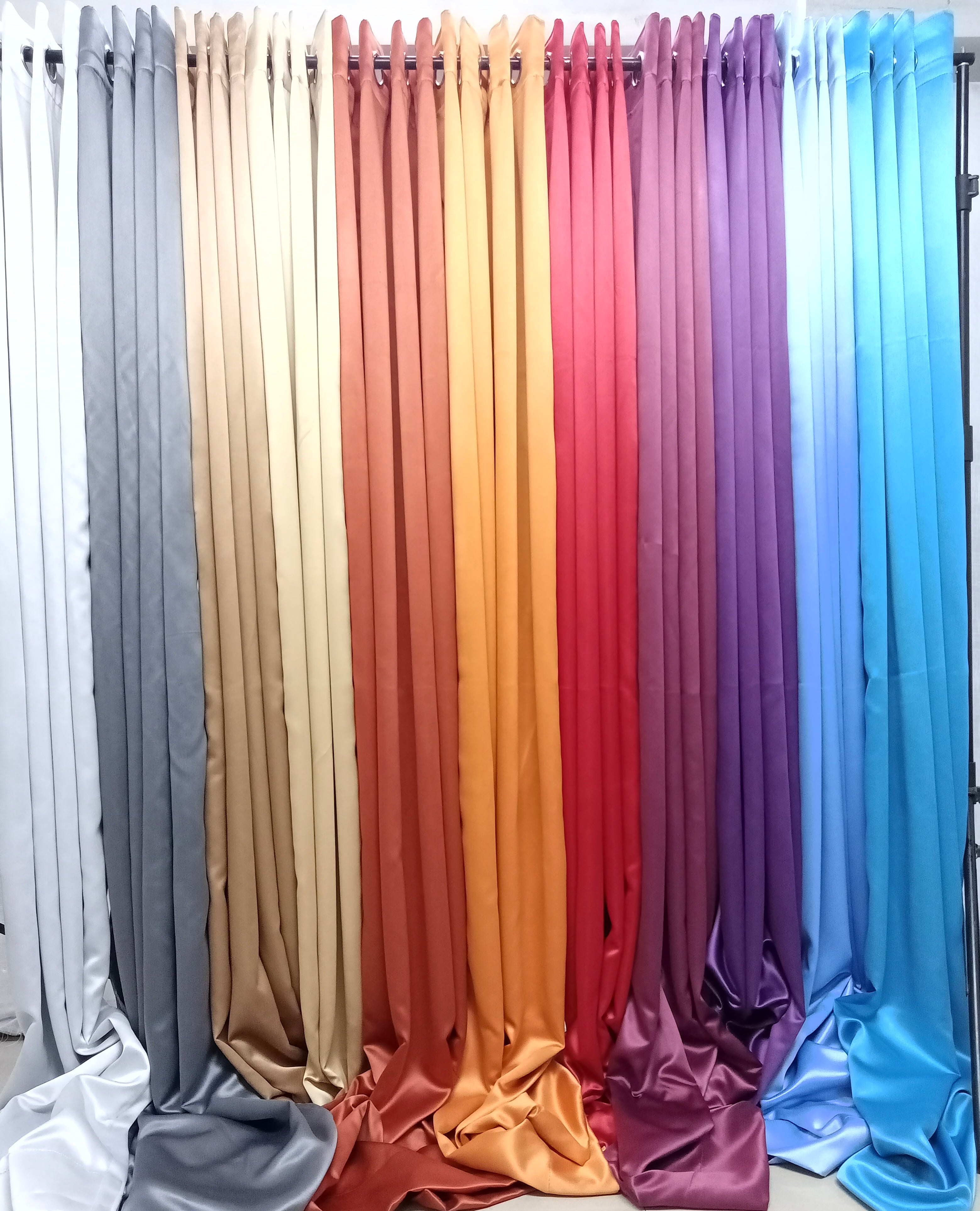
Lining fabrics are an essential yet often overlooked component of quality curtains and home décor projects. While the face fabric captures attention with its color and pattern, the lining works quietly behind the scenes to enhance durability, functionality, and aesthetic appeal. Whether you're a seasoned decorator or a first-time curtain buyer, understanding lining fabrics will help you make informed choices that elevate your interior spaces.
What Are Lining Fabrics?
Lining fabrics are secondary textiles sewn to the back of curtains and drapes. They serve multiple purposes: protecting the main fabric from sun damage and fading, improving insulation, reducing light penetration, and adding weight and structure to the curtain panel. Quality linings can significantly extend the life of your curtains while enhancing their performance and appearance from both sides of the window.
Key Benefits of Using Lining Fabrics
UV Protection: One of the most important functions of lining is shielding your curtain fabric from harmful ultraviolet rays. Sunlight exposure can cause colors to fade and fibers to weaken over time. A good lining acts as a barrier, preserving the vibrancy and integrity of your face fabric for years to come.
Thermal Insulation: Lined curtains provide better temperature regulation by creating an air pocket between the lining and the window. This helps keep heat in during winter and blocks warmth during summer, potentially reducing your energy costs and improving comfort in your home.
Light Control: Depending on the lining type, you can achieve varying degrees of light blockage. Blackout linings are ideal for bedrooms and media rooms, while lighter linings offer privacy while still allowing soft, diffused light to filter through.
Sound Dampening: Thicker, denser linings can help absorb sound, making them a practical choice for homes near busy streets or for anyone seeking a quieter interior environment.
Enhanced Drape and Structure: Lining adds weight and body to curtain panels, helping them hang beautifully and maintain their shape. This creates a more polished, professional appearance in any room.
Common Types of Lining Fabrics
Blackout Lining: Specially engineered to block out light almost completely, blackout linings are perfect for bedrooms, nurseries, and home theaters. They also provide superior insulation and privacy.
Thermal Lining: Designed with insulating properties, thermal linings help regulate room temperature and reduce energy consumption. They're thicker and denser than standard linings, making them ideal for colder climates.
Polyester Lining: Durable and affordable, polyester linings resist wrinkles and are easy to maintain. They're a practical choice for high-traffic areas and homes with children or pets.
Choosing the Right Lining for Your Needs
When selecting a lining fabric, consider your room's purpose, climate, and aesthetic preferences. Bedrooms and nurseries benefit from blackout linings that ensure darkness and privacy. Living rooms and dining areas may work better with lighter linings that maintain a sense of openness while still providing UV protection. In warmer climates, thermal linings offer less benefit, but in cooler regions, they can make a noticeable difference in comfort and heating efficiency.
The color of your lining also matters. White or cream linings reflect light and create a bright appearance from outside, while darker linings provide a more sophisticated look and better light control. Some designers choose linings that complement or contrast with the face fabric for added visual interest.
Care and Maintenance
Lined curtains are generally easy to maintain. Most can be gently vacuumed with an upholstery attachment to remove dust, or hand-washed in cool water with mild detergent. Always check the care instructions for both the face fabric and lining, as they may have different requirements. Avoid harsh chemicals and excessive heat, which can damage the lining and reduce its effectiveness.
Regular care not only keeps your curtains looking fresh but also preserves the lining's protective properties, ensuring your investment lasts for years.
Investing in Quality Linings
While unlined curtains may seem like a budget-friendly option, investing in quality lining fabrics pays dividends in the long run. Lined curtains last longer, perform better, and look more polished than their unlined counterparts. Whether you're furnishing a single room or an entire home, choosing the right lining fabric is a decision that will enhance both the beauty and functionality of your curtains.
At Curtain Fabrics by Simran G Decor, we offer a curated selection of premium lining fabrics to complement your favorite face fabrics. Explore our collection to find the perfect lining for your next curtain project and experience the difference quality makes.
Share:
Different types of Embroidery stitches
Made-up fabrics