
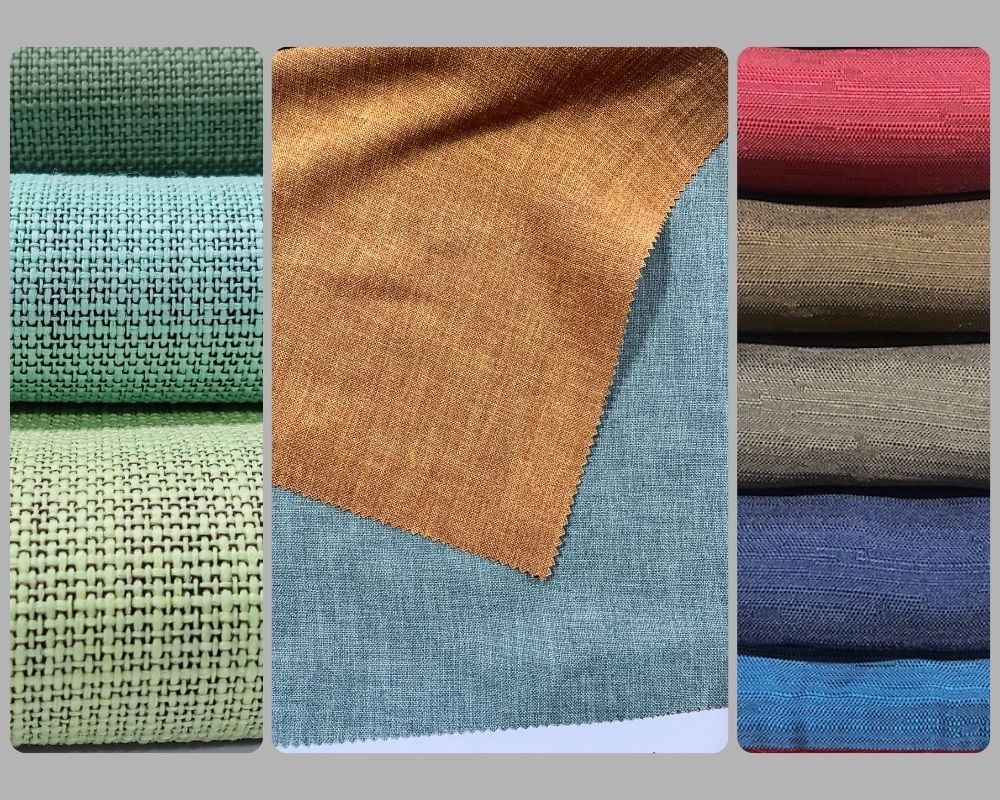
When you're shopping for curtain fabrics, you've probably noticed that two fabrics can look almost identical but come with very different price tags. This isn't a coincidence—it's the result of different production methods that achieve the same visual effect in different ways.
Take the chambray effect, for example. This classic woven look with its distinctive texture and subtle color variation is beloved in interior design. But here's what many people don't realize: there are multiple ways to create that exact same appearance, and each method has its own cost implications.
Different Methods, Same Look
One way to achieve a chambray effect is by weaving together yarns from two different origins—perhaps a cotton yarn from one supplier and a synthetic blend from another. The contrast between these different fiber types creates that characteristic woven texture and color play that makes chambray so appealing.
Another approach is to use dyed yarns in contrasting colors and weave them together. This method gives you precise control over the final appearance and can produce a very similar visual result to the multi-origin yarn method.
Space-dyed yarns offer yet another route. These are yarns that have been dyed in sections with different colors before weaving, creating a naturally varied appearance that mimics the chambray look without requiring two different yarn sources.
Then there's the printing method. A base fabric can be printed with patterns and colors that replicate the chambray effect entirely through surface design rather than through the weaving process itself.
Why Choose One Over the Other?
Each production method has its own advantages. Some methods offer superior durability because the color variation goes all the way through the fiber. Others are faster to produce, which reduces manufacturing costs. Some methods allow for greater design flexibility, while others create a more authentic or premium feel.
The key question isn't which method is "best"—it's which method offers the best value for your specific needs and budget.
Value for Money: Our Approach
At Curtain Fabrics by Simran G Decor, we believe that the right fabric is the one that delivers the look you want at a price point that makes sense for your project. We don't automatically choose the most expensive production method just because it sounds premium. Instead, we evaluate what you're actually looking for.
If you want a chambray effect that will last for years and you're willing to invest in durability, we might recommend a fabric made with yarns from different origins, where the color variation is integral to the fiber itself. If you love the look but need to keep costs down, a printed chambray might be the perfect solution—it gives you the aesthetic you want without the premium price tag.
The beauty of having multiple production methods available is that we can match fabrics to your actual needs rather than forcing you to pay for features you don't require. A fabric that's perfect for a guest bedroom might be different from one that's ideal for a high-traffic living room, and the price should reflect that difference.
Making the Right Choice
When you're browsing our collection, don't assume that a lower price means lower quality. It might simply mean a different production method that achieves the same visual result more efficiently. Conversely, a higher price doesn't always mean better—it might reflect a production method that offers benefits you don't need for your particular application.
The best approach is to think about what matters most to you: the exact look you want, how long you need the fabric to last, how much direct sunlight it will receive, and what fits your budget. Once you're clear on those priorities, you can find the fabric that delivers genuine value—not just the cheapest option, but the smartest choice for your home.
Share:
Significance of Linen Blended Fabrics
Different types of Embroidery stitches