
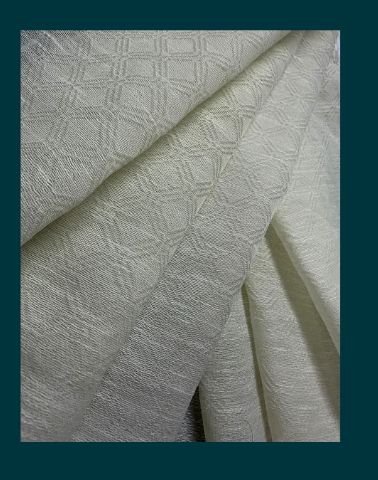
A slub is a deliberate or natural variation in the thickness of yarn used in fabric weaving. Instead of maintaining a perfectly uniform diameter throughout, slubbed yarn contains sections that are thicker or thinner than others, creating a distinctive textured appearance in the finished fabric.
Slubs can occur in two ways. Natural slubs happen during the spinning process when fibers are not perfectly aligned or when the tension varies slightly. Intentional slubs are created deliberately by manufacturers who want to achieve a specific aesthetic or texture in the final cloth. This controlled variation is often a hallmark of premium, artisanal fabrics.
When you look at a slubbed fabric, you'll notice an uneven surface with occasional bumps, knots, or thick spots scattered throughout the weave. This creates a rustic, handwoven appearance that many designers and homeowners find appealing. The texture adds visual interest and depth to curtains, upholstery, and other home décor textiles.
Slubbed fabrics offer several practical benefits. The irregular yarn creates a fabric that drapes beautifully while maintaining structure, making it ideal for curtains that need to hold their shape. The texture also helps conceal dust and minor imperfections better than smooth, flat weaves. Additionally, slubs can reduce the overall weight of the fabric while maintaining durability, which is particularly useful for window treatments.
In the world of interior design, slubbed fabrics are prized for their natural, organic quality. They work well in both contemporary and traditional settings, adding warmth and character to any room. Whether you're selecting curtains for a modern minimalist space or a classic, traditional interior, slubbed fabrics provide a sophisticated, textured option that elevates the overall aesthetic of your home.
Share:
Wider Width Curtain fabrics
Why pH should be maintained on RFD Fabrics?