
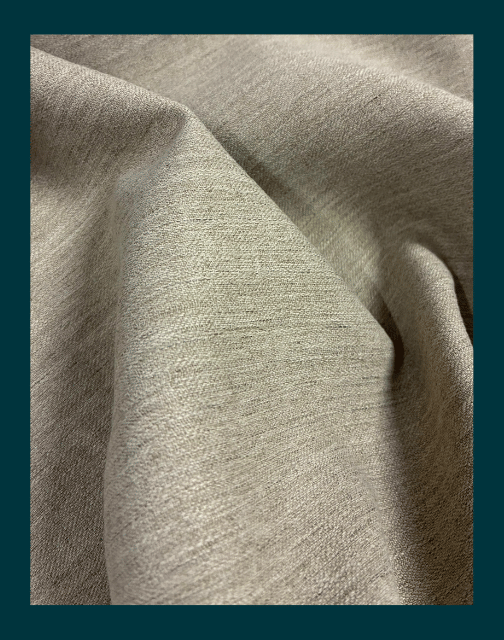
Fabric textures are one of the most important elements that define the look, feel, and character of curtains. Understanding the different types of textures available can help you choose the perfect fabric for your space. Let's explore the various texture techniques used in curtain fabrics.
Two-Tone and Dual-Tone Fabrics
Two-tone and dual-tone fabrics feature two distinct colors woven together to create visual depth and interest. These fabrics combine contrasting or complementary colors in a single weave, giving them a sophisticated appearance. The interplay between the two colors creates dimension that changes subtly depending on how light hits the fabric, making them versatile for both modern and traditional interiors.
Chambray Effect
Chambray is a classic weaving technique where colored warp threads are woven with white weft threads, or vice versa. This creates a soft, mottled appearance with a subtle color variation across the fabric surface. The chambray effect is popular in curtain fabrics because it adds texture and visual interest while maintaining an elegant, understated look. The blended appearance makes it easy to coordinate with various décor styles.
Double Blended Fabrics
Double blended fabrics combine two different fiber types in a single cloth. For example, a blend of cotton and polyester creates a fabric that benefits from the breathability of cotton and the durability of polyester. These blends are engineered to enhance specific properties—such as wrinkle resistance, softness, or longevity—making them practical choices for everyday curtains.
Double Dyed Fabrics
Double dyed fabrics undergo two separate dyeing processes to achieve richer, more complex colors. The first dyeing creates a base color, and the second dyeing adds depth and nuance. This technique results in fabrics with superior color fastness and more sophisticated hues that don't fade as quickly as single-dyed alternatives. Double dyed fabrics are ideal for high-traffic areas where color retention is important.
Once Dyed and Once White
Some fabrics are created by combining once-dyed threads with undyed white threads in the same weave. This creates a naturally textured appearance with built-in color variation. The white threads provide brightness and contrast, while the dyed threads add color, resulting in a fabric that appears lighter and more airy than a fully dyed alternative. This technique is popular for creating subtle, sophisticated textures.
Yarn Dyed Fabrics
Yarn dyeing is a process where individual yarns are dyed before they are woven into fabric. This allows for precise color control and the creation of intricate patterns and textures. Yarn dyed fabrics often feature multiple colors in a single weave, and the dye penetrates deeply into the fiber, ensuring excellent color durability. This technique is commonly used to create checks, stripes, and complex woven patterns.
Mixed Yarn Dyeing Techniques
Some fabrics combine different yarn dyeing approaches in a single weave. For instance, one set of threads might be yarn dyed in a specific color, while another set is dyed later using a different process. This creates unique visual effects and textures that wouldn't be possible with a single dyeing method. These mixed techniques allow designers to achieve creative, multi-dimensional looks.
Fiber Dyed Blends
Fiber dyed blends involve dyeing individual fibers before they are spun into yarn and woven into fabric. This technique allows different fiber types to be dyed in different colors before blending, creating fabrics with inherent color variation at the fiber level. The result is a fabric with exceptional color depth and a naturally textured appearance that maintains its character even after repeated washing and use.
Each of these texture techniques offers unique aesthetic and functional benefits. When selecting curtain fabrics, consider how these textures will complement your interior design, how they interact with natural and artificial light, and how they align with your maintenance preferences. The right texture can transform a room and add layers of sophistication to your décor.
Share:
Why pH should be maintained on RFD Fabrics?
Significance of Linen Blended Fabrics